
Loading...
Serving Fremont, CA and surrounding areas. (341) 204-3893
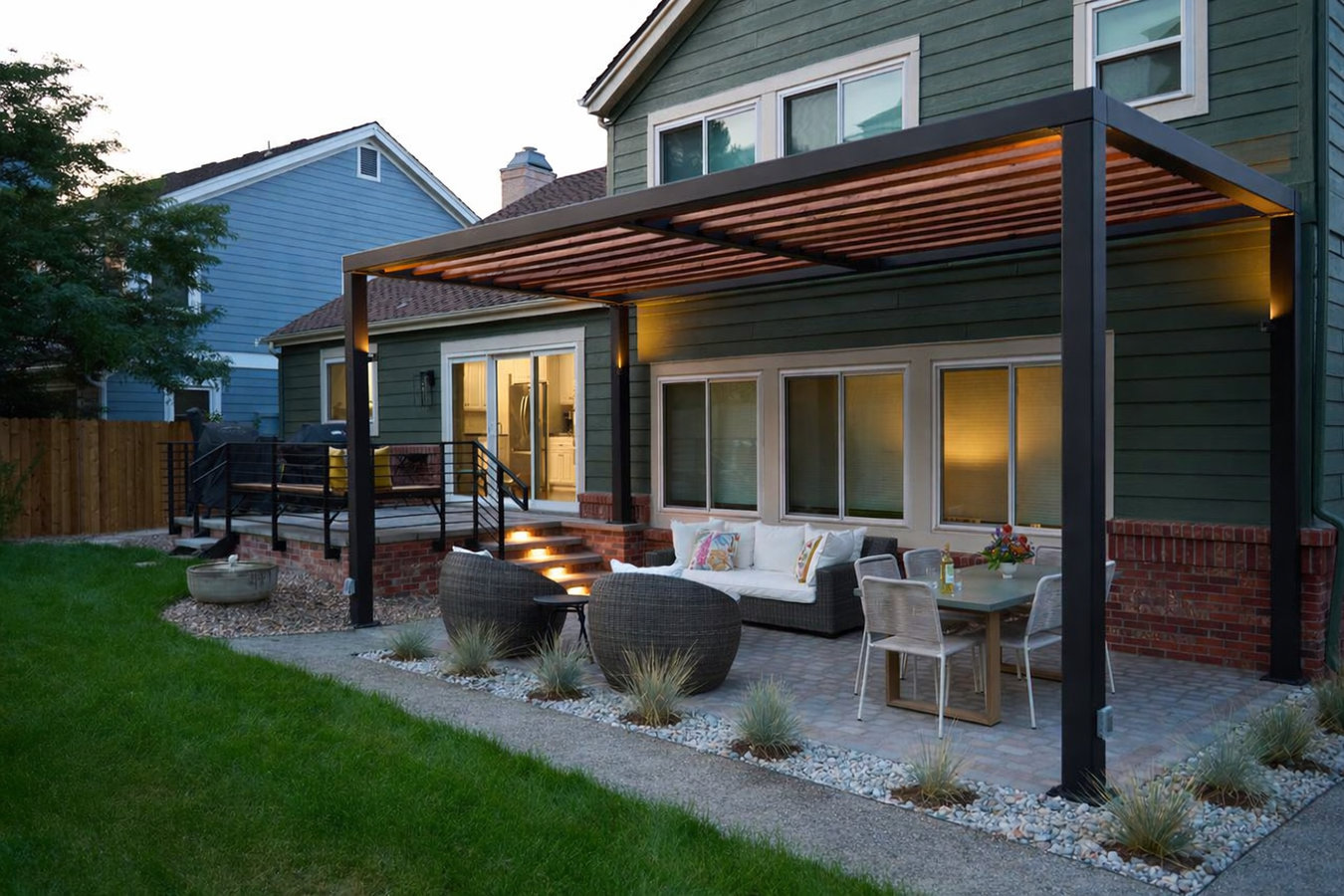
Fremont Sunrooms & Patios is a licensed sunroom contractor serving Pleasanton, CA, specializing in patio cover installation, patio enclosures, and four season sunrooms for the city's ranch homes, split-levels, and newer subdivisions. We have served the East Bay since 2015 and reply to every inquiry within one business day.
Pleasanton summers are reliably hot, with temperatures above 90 degrees from June through September, and an uncovered patio is simply unusable in the afternoon for most of that period. A properly engineered patio cover creates usable shade without requiring a full enclosure permit, and it is often the first step before a homeowner decides whether to move forward with full enclosure. See how we approach patio cover installation and what materials hold up best in this climate.
Pleasanton's 1970s and 1980s tract homes almost always have a rear concrete patio that has been through decades of the Tri-Valley's wet-dry cycle. Before we enclose any patio in Pleasanton, we evaluate whether the existing slab can support the new structure or needs to be replaced. Getting that assessment right at the start prevents settling and cracking problems after the enclosure is completed - an issue we see on projects where the slab condition was not checked.
Pleasanton's inland location means summers are genuinely hot and winters bring real rainfall from November through March. A four season sunroom with insulated panels, dual-pane low-e glass, and an HVAC connection stays comfortable through both seasons without the homeowner having to adjust how they use the space. For Pleasanton homes where the outdoor space is a significant part of the property's appeal, a year-round room is a meaningful upgrade to daily life.
With Pleasanton median home values regularly above $1.3 million, permitted square footage added to the property record carries real financial weight. Ranch homes and split-levels - the dominant housing types in Pleasanton's postwar and 1970s neighborhoods - typically attach a sunroom at the ground-floor rear, which avoids second-story structural complexity and keeps the project cost contained. The flat to gently sloped lots in most Pleasanton neighborhoods make foundation work predictable.
Pleasanton's spring and fall evenings are some of the most pleasant outdoor living conditions in the Tri-Valley, but proximity to Shadow Cliffs and other water features means insects can be active through the warmer months. A screen room at the rear of the home keeps the yard usable on those evenings at a cost well below a full enclosure, and it can be upgraded to a fully enclosed room later if the homeowner's needs change.
Some Pleasanton homes have older sunrooms or patio enclosures built in the 1980s and 1990s that are drafty, poorly insulated, or out of compliance with current code. Remodeling an existing structure - replacing glazing, adding insulation, updating electrical - is often more cost-effective than demolishing and rebuilding, especially when the original framing is still in good condition. We assess whether an existing Pleasanton sunroom is worth upgrading or better replaced before quoting any remodel project.
Most of Pleasanton's housing stock was built between the late 1960s and the mid-1990s, which puts the bulk of the city's homes in the 30-to-55-year age range. Homes from this period have concrete driveways, patios, and walkways that have been through hundreds of wet-dry cycles on Tri-Valley clay. The clay soils throughout Pleasanton expand significantly when winter rains saturate them and contract again as summer heat dries them out. That seasonal movement is the primary reason concrete flatwork cracks and patios develop uneven surfaces over time - and it is the first thing we evaluate when a Pleasanton homeowner calls about adding a structure to their backyard. Adding a sunroom or patio enclosure on top of compromised concrete is a mistake that causes the new structure to settle and develop gaps within a few years.
The climate in Pleasanton creates a specific set of design requirements that contractors from coastal cities often get wrong. Summer afternoons regularly exceed 90 degrees Fahrenheit, and the heat is dry rather than humid - which means a room with the wrong glazing or without adequate ventilation becomes a greenhouse rather than a living space. At the same time, Pleasanton's rainy season from November through March brings real rainfall that tests flashing, drainage, and the junction between a new room and the existing home. Older homes near downtown Pleasanton along Main Street and the city's historic district have a different set of structural considerations than the tract homes built later - some have wood siding, older foundations, and original windows that affect how a new addition attaches to the existing structure.
Our crew works throughout Pleasanton regularly, and we understand the local conditions that affect sunroom contractor work here. Permits for residential additions in Pleasanton are handled through the City of Pleasanton Building and Safety Division, which operates under Alameda County building codes with city-specific requirements. We have submitted permit packages to the city and managed plan check responses for Pleasanton projects, and we understand what the city reviewers look for in drawings for residential additions.
The neighborhoods we see most often in Pleasanton are the 1970s and 1980s subdivisions in the central and western parts of the city, where ranch homes and split-levels sit on well-established lots with mature trees and older concrete. Bernal Avenue runs east-west through the newer southern parts of the city, where homes are younger and lots are flatter. The neighborhoods closest to downtown along Main Street and near the Alameda County Fairgrounds tend to have the oldest housing stock - some dating back 50 to 70 years - and those properties require more careful evaluation of the existing structure before any addition is planned. Homeowners in adjacent Dublin deal with many of the same clay soil and HOA conditions, and we serve that community as well.
Pleasanton is a city where homeowners take their properties seriously. The high owner-occupancy rate and long average tenure mean most residents plan to stay and are willing to invest in work that holds up over time. We also serve homeowners in nearby Milpitas, where the housing mix and permit process differ but the same standards apply.
Reach us by phone or through the online contact form and we will respond within one business day to schedule an on-site visit. We do not quote Pleasanton projects over the phone - slab condition, lot configuration, and the age of the home all affect the number in ways that only an in-person look can resolve.
At the site visit we measure the space, evaluate the existing concrete and attachment points, review the home's age and construction type, and discuss your budget and goals. We leave you with a written fixed price - not a range - so the number you agree to is the number you pay.
We prepare all permit drawings and submit to the City of Pleasanton Building and Safety Division on your behalf. City permit review for a standard residential addition typically takes three to four weeks. We track the status and respond to plan check comments without requiring the homeowner to follow up with the city.
Physical construction on a patio cover takes one to two weeks; a full sunroom enclosure takes four to six weeks. We schedule all city inspections and remain on-site during each one. The project is done when the city signs off and your new structure is properly tied to your property records.
We serve all Pleasanton neighborhoods - from downtown to Bernal Avenue - and reply within one business day.
(341) 204-3893Pleasanton is a city of about 82,000 residents in the Tri-Valley region of Alameda County, known for its well-maintained neighborhoods, high homeownership rate, and a downtown that has preserved much of its historic character. Main Street and the surrounding blocks form a walkable historic district with buildings dating to the late 1800s - a part of the city that looks and feels different from the postwar subdivisions that make up most of Pleasanton's residential area. The housing stock throughout the city reflects its growth pattern: most neighborhoods were built during the 1970s through the 1990s, leaving the majority of homes in the 30-to-55-year age range. Ranch-style houses, split-levels, and two-story tract homes with stucco exteriors and tile roofs are the dominant types. A smaller share of older properties near downtown have wood siding and original windows that require different considerations for any addition work. For background on the city, the Wikipedia article on Pleasanton, California covers the city's history and community character.
Pleasanton is also a significant employment center in the Tri-Valley, with major corporate campuses including Workday and other technology employers that draw workers from across the East Bay. Shadow Cliffs Regional Recreation Area - a popular swimming and fishing park built around a former gravel quarry - sits within Pleasanton's city limits and is one of the most visited East Bay Regional Parks in the area. The Alameda County Fairgrounds, one of the largest county fair venues in California, hosts its annual summer fair in Pleasanton and is a landmark residents throughout the Tri-Valley know well. Adjacent Dublin shares many of the same climate and soil conditions, and homeowners in both cities deal with similar decisions about outdoor living improvements. Pleasanton's stable, owner-occupied community means residents here invest in their properties for the long term rather than making quick cosmetic upgrades.
Expand your living space with a beautiful, professionally built sunroom addition.
Learn MoreEnjoy your sunroom year-round with fully insulated, climate-controlled construction.
Learn MoreAdd a comfortable outdoor room usable through spring, summer, and fall.
Learn MoreTransform your open patio into a protected, versatile enclosed living space.
Learn MoreExpert new construction for sunrooms built to last from the ground up.
Learn MoreRefresh or upgrade your existing sunroom with skilled remodeling services.
Learn MoreKeep bugs out and fresh air in with a professionally installed screen room.
Learn MoreConvert your existing patio into a fully enclosed, comfortable sunroom.
Learn MoreTurn your deck into a beautiful, weather-protected sunroom living area.
Learn MoreEnjoy a fully conditioned room addition accessible and comfortable every season.
Learn MoreCreate a stylish enclosed patio room that blends indoor comfort with outdoor views.
Learn MoreMaximize natural light with a stunning glass solarium installed by our experts.
Learn MoreProtect your outdoor space from sun and rain with a durable patio cover.
Learn MoreLow-maintenance, energy-efficient vinyl sunrooms built for lasting performance.
Learn MoreCall us or submit a request online. We serve all of Pleasanton and get back to you within one business day.